Steel Genetics
The clinical engine for hereditary-cancer genetics teams.
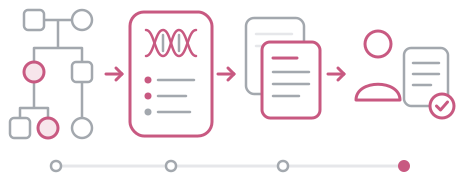
- Streamlines clinical workflows in genetic counseling for inherited cancer risk. When a patient may carry a gene that raises their cancer risk, Steel builds their family tree, calculates their risk with established medical models, and drafts the clinical notes, test orders, and insurance paperwork, including appeals when an insurer denies coverage.
- Turns test results into clear letters for patients and their relatives. Steel drafts plain-language letters explaining the results and recommended screening. For positive results, it also writes a letter for each relative who may share the gene, so families can get tested before cancer develops.
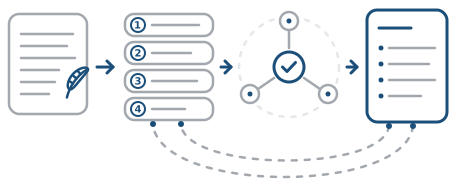
- A human expert stays in charge, and every claim is traceable. Nothing reaches a patient until a genetic counselor reviews and approves it. Every medical statement is linked to its source, such as a clinical guideline, lab report, or the patient's family history.
Full description
Steel Genetics is a clinical software platform for hospital hereditary-cancer genetics programs that automates the drafting and paperwork around genetic counseling while keeping the counselor as the accountable decision-maker. It takes a patient from referral through recontact. It builds five-generation pedigrees from notes, spoken histories, recorded calls, or photos of hand-drawn charts, and checks them against 51 NCCN testing criteria. It runs validated risk models (Tyrer-Cuzick, CanRisk, PREMM5, BCRAT), each of which declines or cautions when a patient falls outside its validation.
It drafts counseling notes, test requisitions, medical-necessity letters, and insurance appeals built from payers' own eviCore guideline text. After testing, it reads lab reports, requires a ClinVar reclassification check before releasing any positive or VUS result, and produces plain-language disclosure letters with line-by-line source proofs. For positive results, it generates letters the patient can send to each at-risk relative to support cascade testing.
Every patient-facing letter requires counselor approval, enforced server-side, and counselor corrections become permanent regression tests. The platform also includes a cited guideline reference desk, an oncology workspace that flags tumor findings needing germline follow-up, a findings registry with reclassification sweeps, and a referring-physician portal, all hosted in a dedicated AWS environment.